The Science of QiGong
QiGong's traditional style of 'meditative movement' is backed as much by Eastern health benefits as Western science. Curious about its benefits? Click on the studies below to learn more about how it shifts the nervous system, improves circulation, retrains balance, and improved quality of life with very low physical strain.
More questions? We created an AI chatbot trained on the scientific data, check it out at the button below!
Qigong in Cancer Care Documentary
by Dr. Penelope J. Klein EdD, PT
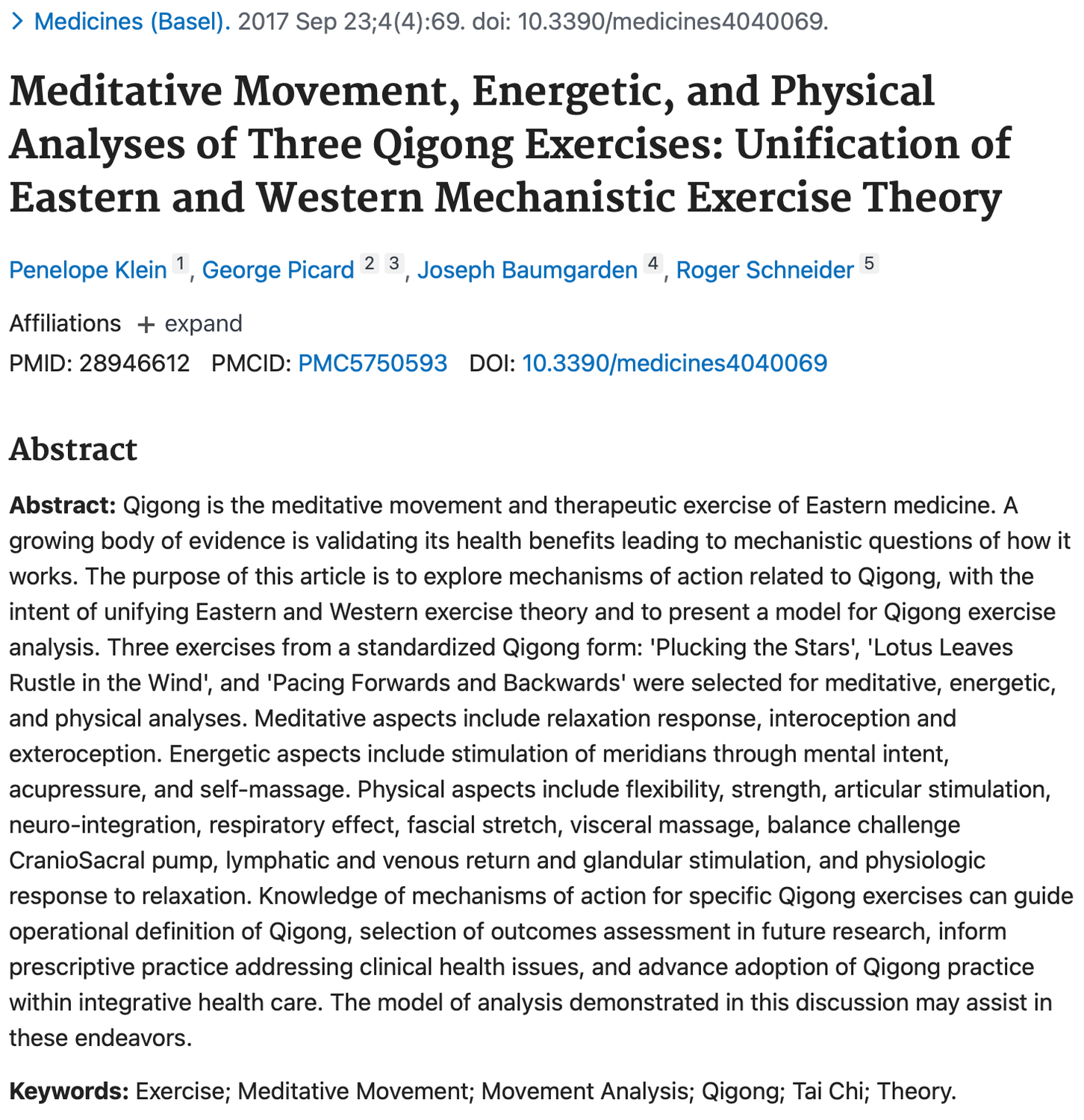
This study explains how Qigong works by analyzing three specific Qigong movements from three different angles: mental (the meditative focus), energetic (traditional Chinese concepts of energy flow), and physical (what the body actually does). It shows that Qigong combines deep breathing, mindful relaxation, gentle movement, and self-massage to calm the nervous system and improve body awareness. Research reviewed in the paper also links Qigong to real health benefits — including better balance, supportive care for cancer and heart conditions, reduced stress, improved mood, greater respiratory and immune support, and enhanced physical function — while suggesting that understanding these mechanisms can help guide better clinical research and use in integrative health care.
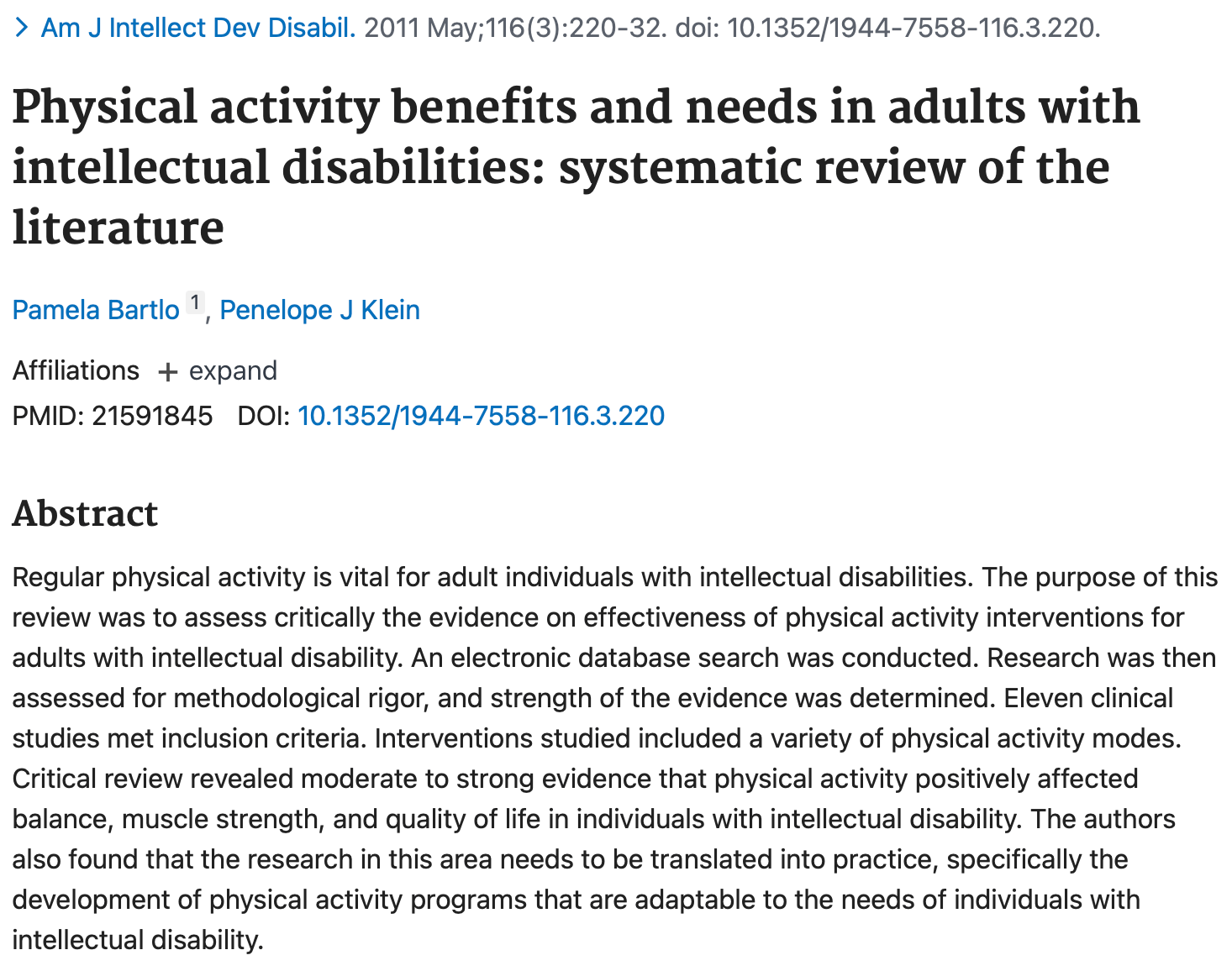
This article reviews the scientific evidence on how regular physical activity benefits adults with intellectual disabilities. It found that consistent exercise can improve physical abilities (like strength and daily functioning), reduce the risk of health problems, and enhance overall quality of life. The study supports mind-body movement practices (like controlled breathing, gentle movement, and mindful physical activity) as valuable for improving health and well-being in populations with special needs.
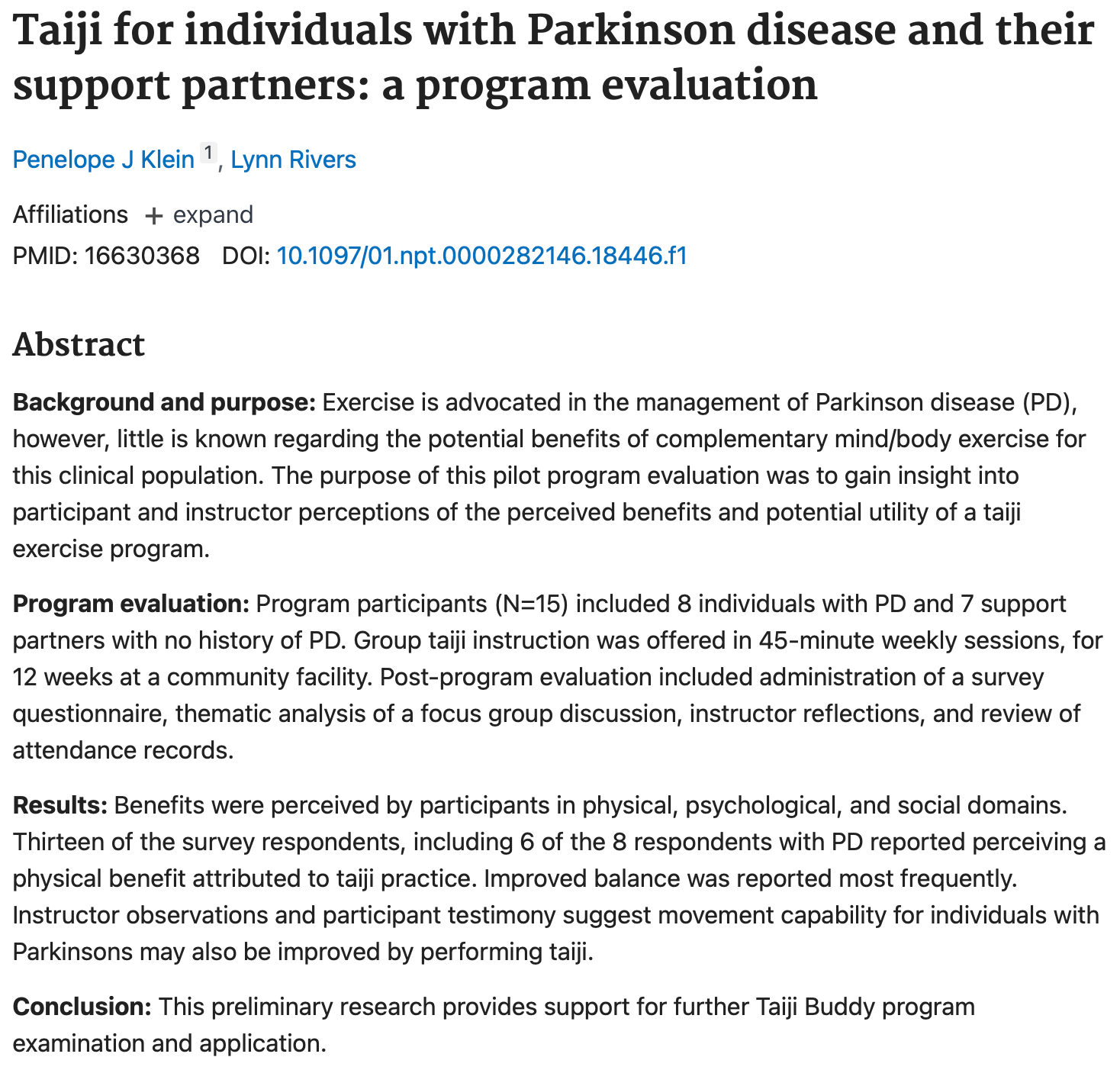
This clinical study looked at whether practicing Tai Ji (Tai Chi) helps people with Parkinson’s disease improve balance, movement, and quality of life. Participants with Parkinson’s who did Tai Ji regularly showed better balance, fewer falls, and improved motor control compared to those who did not practice. The gentle, flowing movements combined with mindful attention and controlled breathing appeared to support physical stability and functional mobility, making daily activities easier and safer for participants. The research suggests that Tai Ji is a safe, accessible way to help manage symptoms of Parkinson’s disease and improve overall well-being.
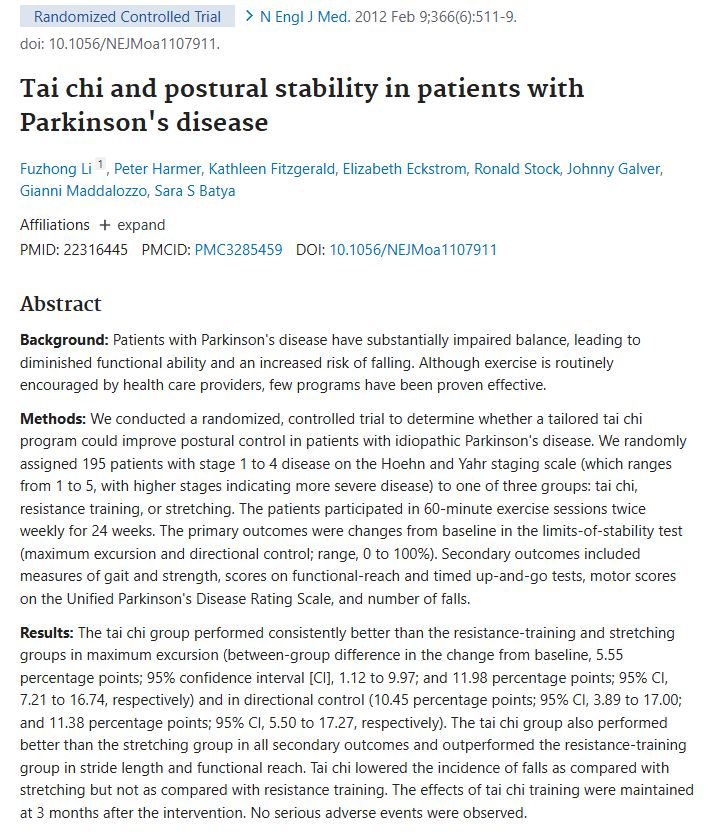
This clinical study investigated the effects of a structured Tai Chi exercise program on older adults with chronic health conditions. The results showed that participants who practiced Tai Chi experienced significant improvements in balance, functional mobility, physical performance, and confidence in daily movement compared with those who did not practice. The gentle, flowing movements combined with focused breathing and mindful attention helped reduce fall risk and enhance overall physical function. The study supports Tai Chi as a safe, effective, and accessible form of therapeutic exercise that can benefit strength, stability, and quality of life in aging populations.
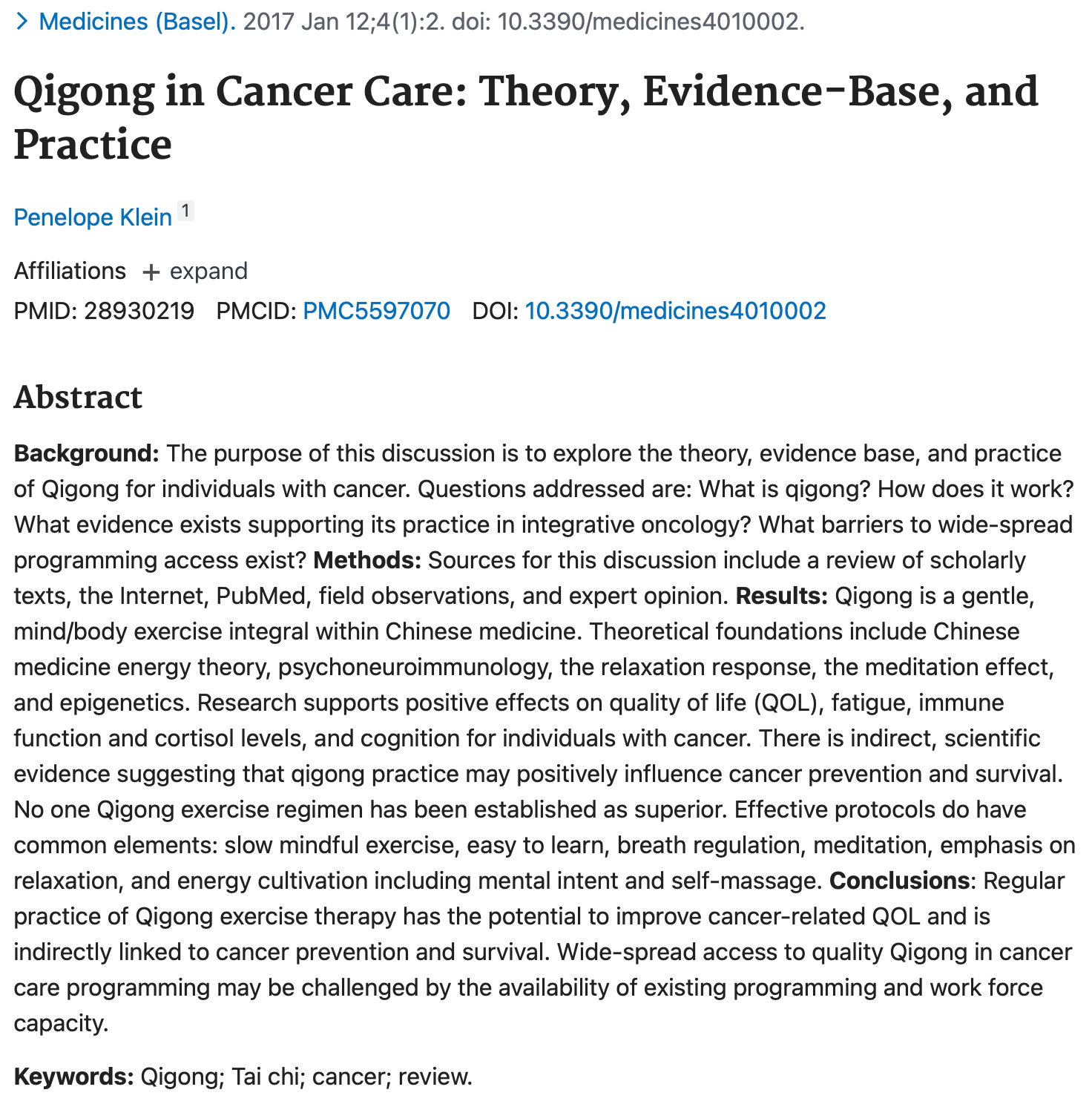
This paper reviews what research shows about using Qigong in cancer care and related health outcomes. It explains Qigong as a gentle mind–body practice that integrates slow movement, breath control, relaxation, and focused intention, rooted in both traditional Chinese medicine and modern ideas about mind–body interactions. Studies reviewed suggest that regular Qigong can improve quality of life, reduce fatigue, support immune function, help balance stress hormones, and improve cognitive well-being for people living with cancer. There’s also indirect evidence suggesting Qigong may help with prevention and survival by bolstering immune response and reducing inflammation, though stronger scientific trials are still needed. Common Qigong routines are easy to learn, emphasize relaxation and mindful breathing, and have shown positive effects without serious side effects.
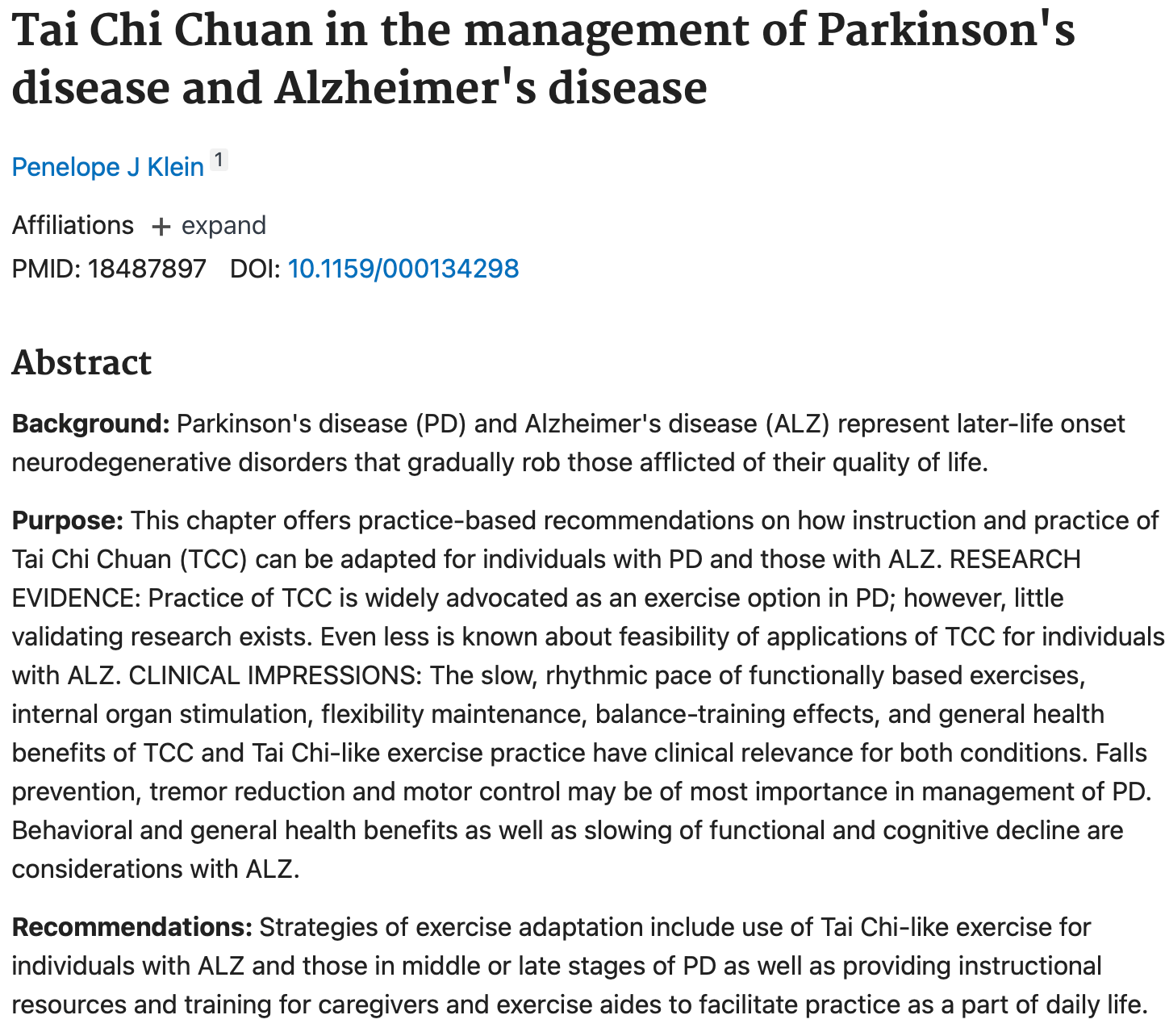
This book explains Tai Chi Chuan as a traditional Chinese internal art that combines slow, flowing movement with deep breathing, focused awareness, and relaxed balance. It covers Tai Chi’s philosophical roots (including Taoist ideas like yin and yang), the physical mechanics of movement, the progression through different styles and forms, and how the practice develops strength, balance, coordination, mental calm, and emotional resilience. Dr. Klein also discusses Tai Chi’s health effects, suggesting that regular practice may reduce stress, improve flexibility and circulation, support respiratory function, enhance energy flow, and deepen mind–body connection.
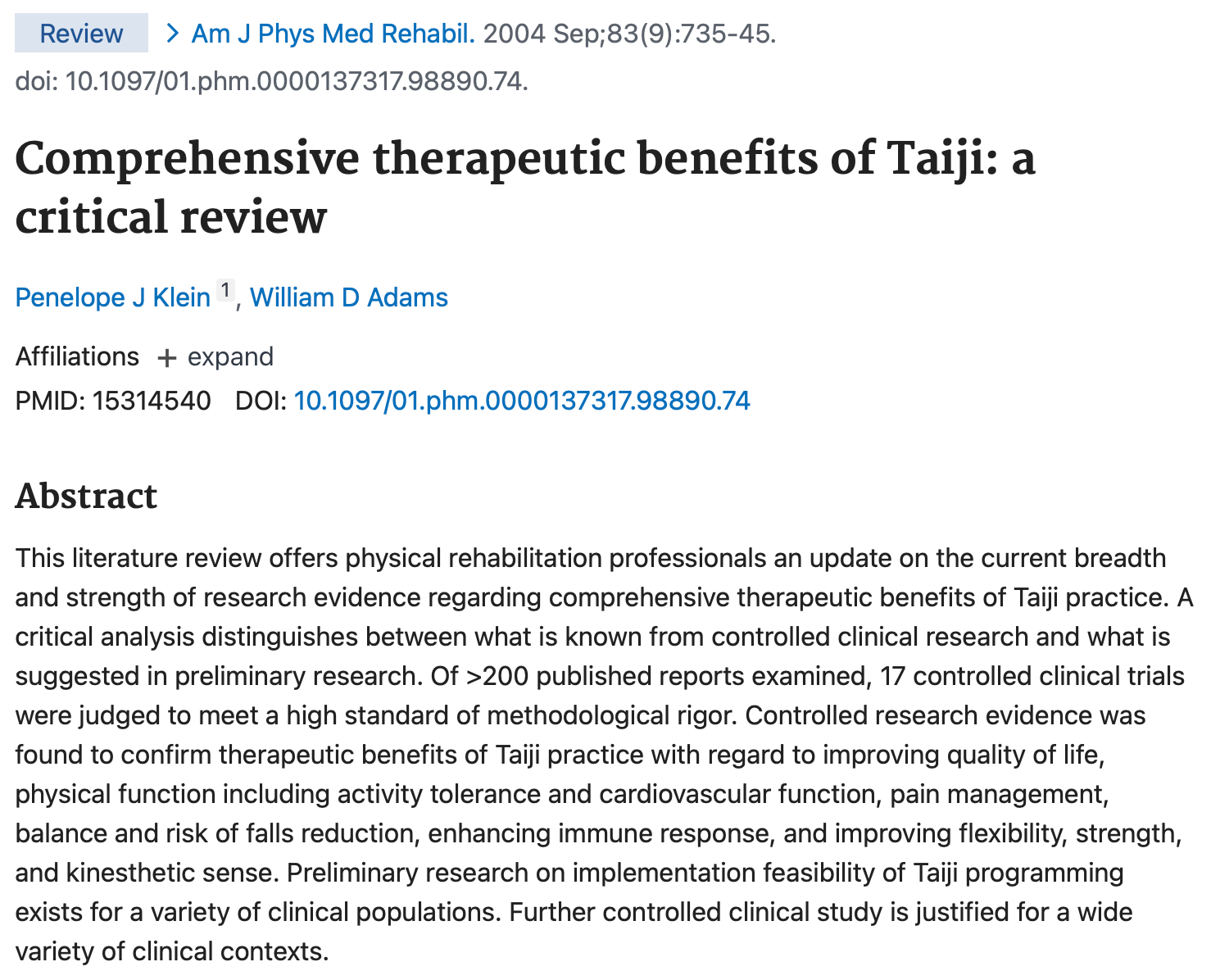
This review article summarizes the wide range of therapeutic benefits associated with practicing Tai Chi. It explains that Tai Chi is a gentle, low-impact mind–body exercise that combines slow, coordinated movements with deep breathing and mental focus. Research evidence suggests that regular Tai Chi practice can improve balance and flexibility, reduce stress and anxiety, enhance cardiovascular and respiratory function, support joint health, and improve overall quality of life. The article also highlights Tai Chi’s positive effects for older adults — including greater strength, reduced risk of falls, better pain management, and improved mood — making it a well-tolerated option for people of many ages and health conditions.
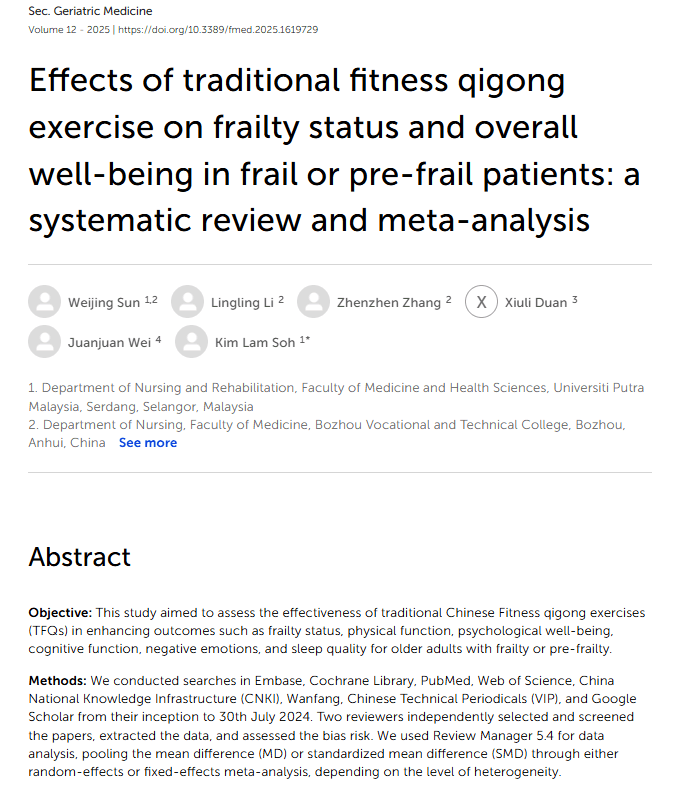
This review and meta-analysis looked at how Traditional Chinese Fitness Qigong practices (including Tai Chi, Baduanjin, Yijinjing, and Wuqinxi) affect frail and pre-frail older adults. Across multiple clinical studies, researchers found that regular Qigong practice significantly improved strength, balance, gait speed, and overall physical function. People who practiced also showed better cognitive performance, reported better sleep quality, improved emotional well-being, and a higher overall quality of life. The results suggest that Qigong is a safe, gentle, accessible form of movement that can help reduce frailty, enhance daily functioning, and support mental and physical health in older adults.


© 2025 The Village of Healing & Wellness
Stay Updated!
Subscribe now to get news & book updates.